
Hydrogen cylinder filling with a gas booster pump: pressure, flow rate and system design
Hydrogen cylinder filling requires a clear understanding of supply pressure, receiving cylinder capacity and available flow rate. These parameters determine how much hydrogen can be transferred, the time required and whether the target filling pressure can be reached.
When the supply pressure is insufficient, an additional compression stage may be necessary. Gas booster pumps increase the pressure of an already pressurised gas. However, selecting a suitable booster involves more than checking its maximum outlet pressure. The behaviour of the system during filling, operating conditions and overall installation safety must also be considered.
When is a gas booster needed for hydrogen cylinder filling?
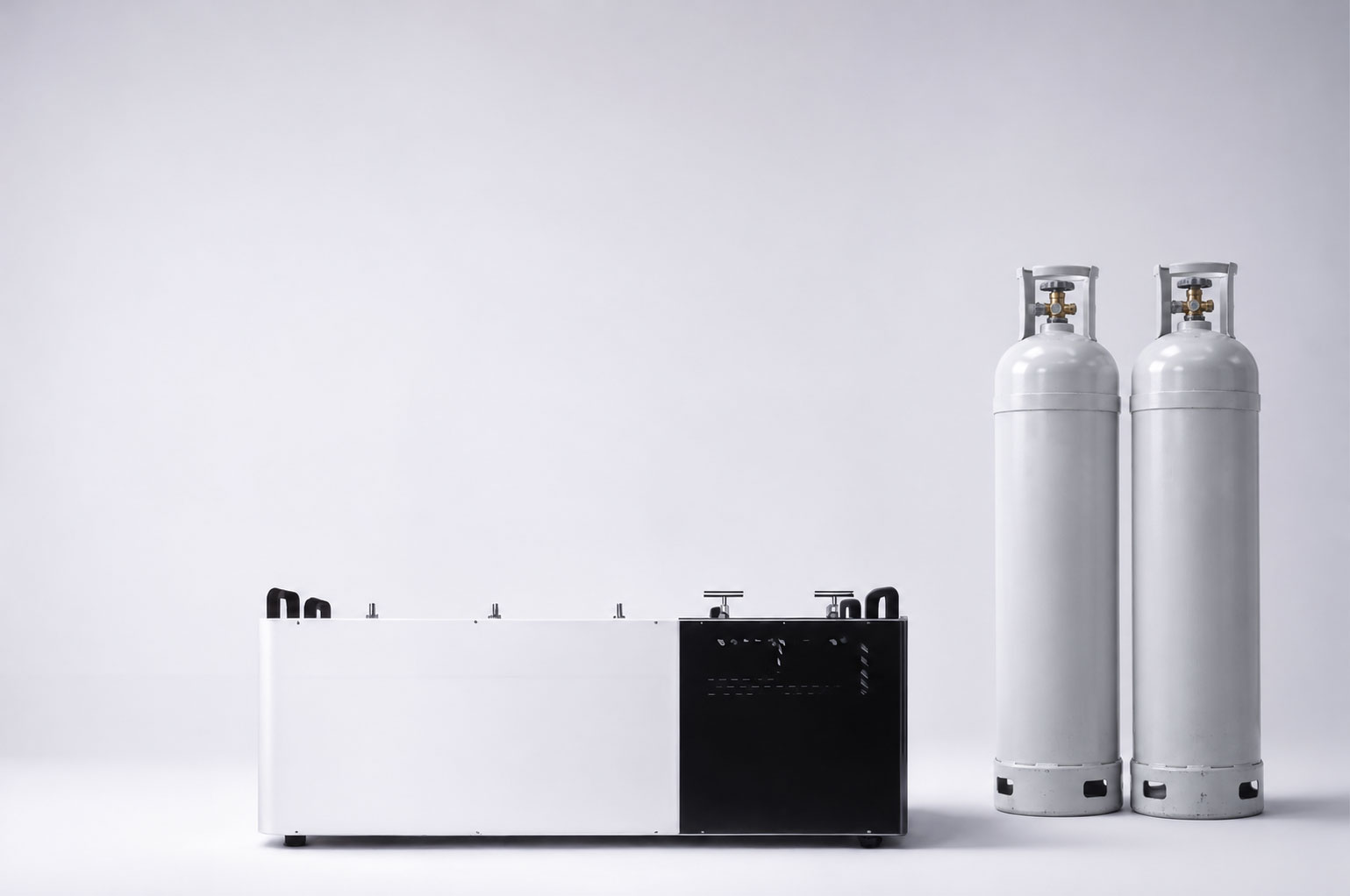
The simplest way to transfer hydrogen between two vessels is to use the pressure difference between them. If the supply pressure is higher than the pressure in the receiving cylinder, hydrogen can flow without additional compression, provided the system is designed for this operation.
As filling progresses, the supply pressure decreases while the pressure in the receiving cylinder increases. The pressure difference gradually decreases until the two approach equilibrium. At this point, the transfer becomes ineffective, even if hydrogen remains in the supply vessel.
When the available pressure is insufficient to reach the required final pressure, a gas booster introduces a compression stage before the receiving cylinder. This is particularly relevant for installations supplied by commercial gas cylinders or intermediate storage systems where pressure changes during operation.
Direct transfer, cascade filling or a gas booster: which option should you choose?
Not every hydrogen cylinder filling installation requires a compressor. The most suitable configuration depends on the available pressures, the amount of hydrogen to be transferred and the operating requirements. There are three main approaches, each with different characteristics and limitations.
Direct hydrogen transfer
Hydrogen flows from a higher-pressure source into a lower-pressure receiving cylinder. This is a straightforward option when the available pressure and hydrogen quantity are sufficient to complete the filling process without additional compression.
Its main limitation is that transfer becomes less effective as the pressure difference decreases. It is therefore necessary to determine whether the supply conditions allow the required final pressure to be reached.
Hydrogen cylinder filling using cascade storage
Cascade filling systems use several storage banks at different pressures, which are selected progressively during the filling process. This allows better use of the stored hydrogen and helps manage the different filling stages.
However, these systems require sufficient storage capacity, appropriate bank management and a suitable system configuration. Without additional compression, they cannot achieve a final pressure higher than that available from the supply sources being used.
Hydrogen compression using a gas booster
A gas booster increases hydrogen pressure when the supply cannot provide the pressure required by the receiving cylinder. Selecting the appropriate equipment involves evaluating inlet and outlet pressures, flow rate and operating frequency.
Compression can also be combined with intermediate storage or cascade systems. The most suitable configuration depends on the requirements of the complete process rather than a single compressor specification.
It is also important to distinguish between installations filling a single cylinder and those performing multiple consecutive filling operations, as their storage and control requirements may differ.
Key parameters for sizing a hydrogen cylinder filling system
Once the need for compression has been identified, the actual operating conditions must be defined.
Inlet pressure and target filling pressure
Inlet pressure is the pressure at which hydrogen reaches the booster. The gas may come from commercial cylinders, intermediate storage or hydrogen production equipment. Both the initial and minimum expected inlet pressures must be known, as the available pressure decreases when gas is withdrawn from a supply cylinder.
Outlet pressure must be compatible with the receiving cylinder’s requirements and the design limits of the installation. The maximum pressure achievable by a booster is not the same as the cylinder’s allowable filling pressure. The latter depends on the vessel specifications, temperature and applicable filling procedures.
Cylinder volume and storage capacity
The receiving cylinder’s internal volume, initial pressure and final pressure determine the amount of hydrogen that must be introduced. Two cylinders with the same nominal pressure may require different quantities of gas if their internal volumes differ.
Hydrogen density also varies with pressure and temperature. Accurate calculations at high pressures require appropriate thermodynamic properties that account for the real-gas behaviour of hydrogen.
Flow rate and filling time
Flow rate, commonly expressed in Nm³/h or kg/h, indicates the amount of hydrogen transferred per unit of time. In a gas booster, flow rate is not necessarily constant: it may vary with inlet pressure, outlet pressure, compression ratio and equipment configuration.
For this reason, the maximum flow rate stated in a technical datasheet is not sufficient to calculate filling time. The equipment’s performance curves must be evaluated over the expected operating range and compared with the total amount of gas required by the receiving cylinder.
In particular, it is important to assess the conditions under which supply pressure decreases and the receiving cylinder approaches its target pressure, as these may limit the available flow rate.
In reciprocating boosters, operating speed may be expressed in cycles per minute (cpm), a parameter that must not be confused with volumetric or mass flow rate.
Filling frequency and installation conditions
A laboratory that occasionally fills hydrogen cylinders has different requirements from a facility performing multiple filling operations every day. Operating frequency, duty cycles, electrical supply, ambient temperature, available space and maintenance or automation requirements all influence system sizing.
For a broader explanation of equipment selection, see our guide on how to choose a gas booster for hydrogen applications.
Hydrogen cylinder filling from an electrolyser
In some installations, hydrogen is supplied by an electrolyser rather than a cylinder bank. Its outlet pressure may be lower than that required for storage, making an additional compression stage useful if the supply conditions are compatible with the booster.
The main difference lies in the behaviour of the hydrogen source. In a supply cylinder, pressure generally decreases as gas is withdrawn. In an electrolyser, the available conditions depend on the equipment, its production rate and any intermediate storage.
Before selecting a booster, engineers must establish the available pressure range, hydrogen production flow rate, continuity of supply and gas conditioning requirements. Equipment designed to receive pressurised gas should not automatically be considered suitable for every electrolyser outlet.
How is a gas booster integrated into a hydrogen cylinder filling system?
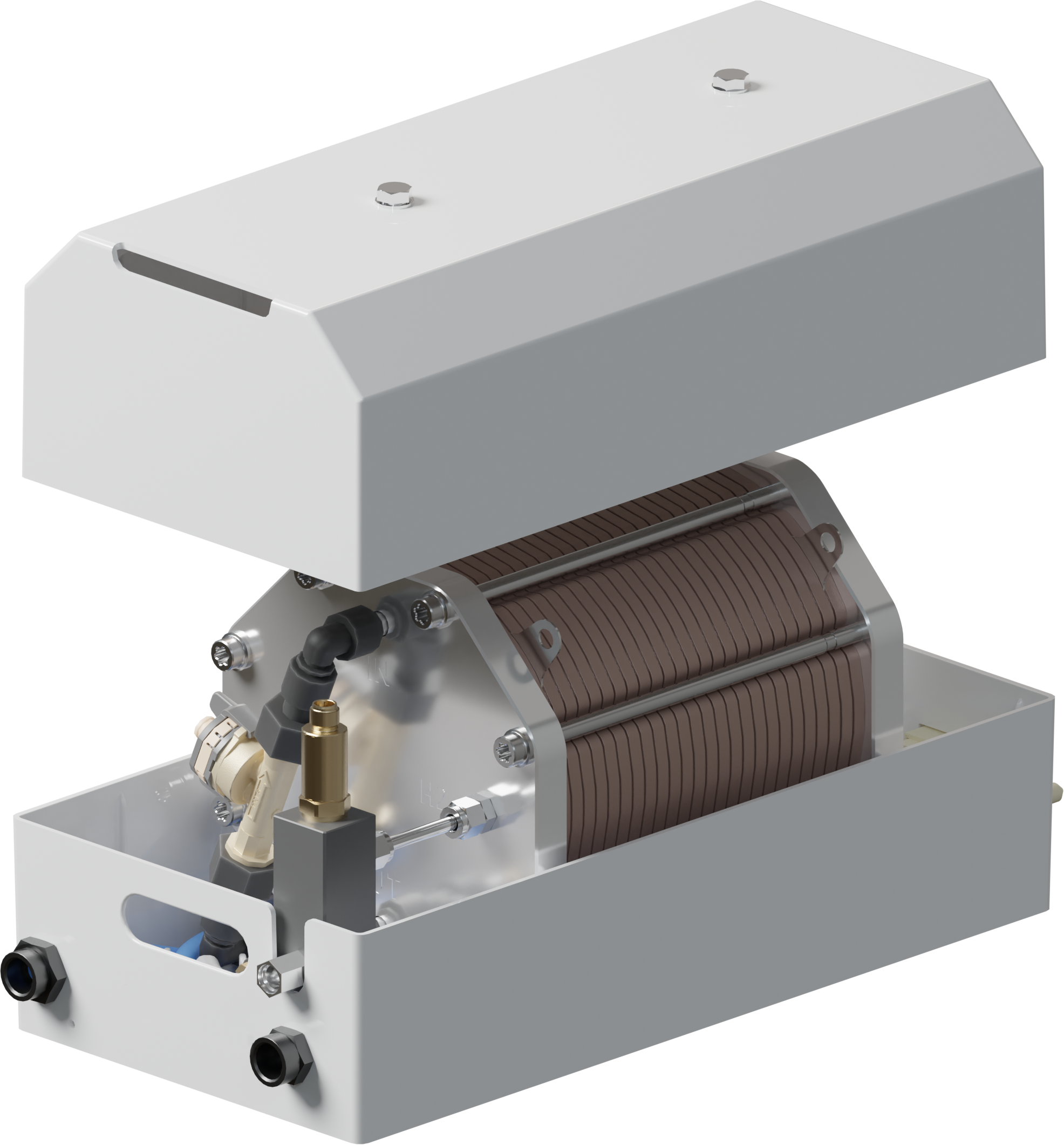
At a conceptual level, the process follows three stages: hydrogen supply, compression and receiving cylinder. However, a complete filling system involves more than simply connecting these components.
Depending on the project, it may require intermediate storage, isolation devices, non-return valves, pressure and temperature instrumentation, overpressure protection, emergency shutdown systems and hydrogen-compatible purging or venting arrangements. Connections require particular attention when interchangeable cylinders are used or filling operations are performed frequently.
The European Industrial Gases Association (EIGA) addresses these considerations in Gaseous Hydrogen Installations — Doc 15/21, which provides guidance applicable to gaseous hydrogen installations and cylinder filling. The final system architecture must be established through appropriate engineering design and risk assessment.
Safety considerations for high-pressure hydrogen cylinder filling
High-pressure hydrogen systems require particular attention to material compatibility, overpressure protection, leak prevention and operating temperatures.
Certain metallic materials may experience hydrogen embrittlement under specific conditions. Seals, valves, fittings and other components must also be selected for compatibility with hydrogen and the intended operating conditions.
Cylinders must be suitable for the intended service and comply with the applicable pressure limits, inspection requirements and filling procedures.
The system design must also consider potential leaks, ventilation, ignition sources, hazardous area classification where applicable, and the detection and isolation measures required by the risk assessment.
Temperature is another important consideration. Thermal changes during compression and filling may affect the operating conditions of the gas and the receiving cylinder.
Regulatory requirements depend on the type and location of the installation. Industrial hydrogen cylinder filling and direct hydrogen vehicle refuelling are not necessarily subject to the same technical standards.
EIGA Doc 15/21 covers industrial gaseous hydrogen installations, including cylinder filling, but excludes hydrogen vehicle refuelling stations.
Is hydrogen cooling necessary after compression?
Compression can increase hydrogen temperature. Not every cylinder filling installation requires additional cooling, but some applications need the gas to reach the next process stage within a specified temperature range.
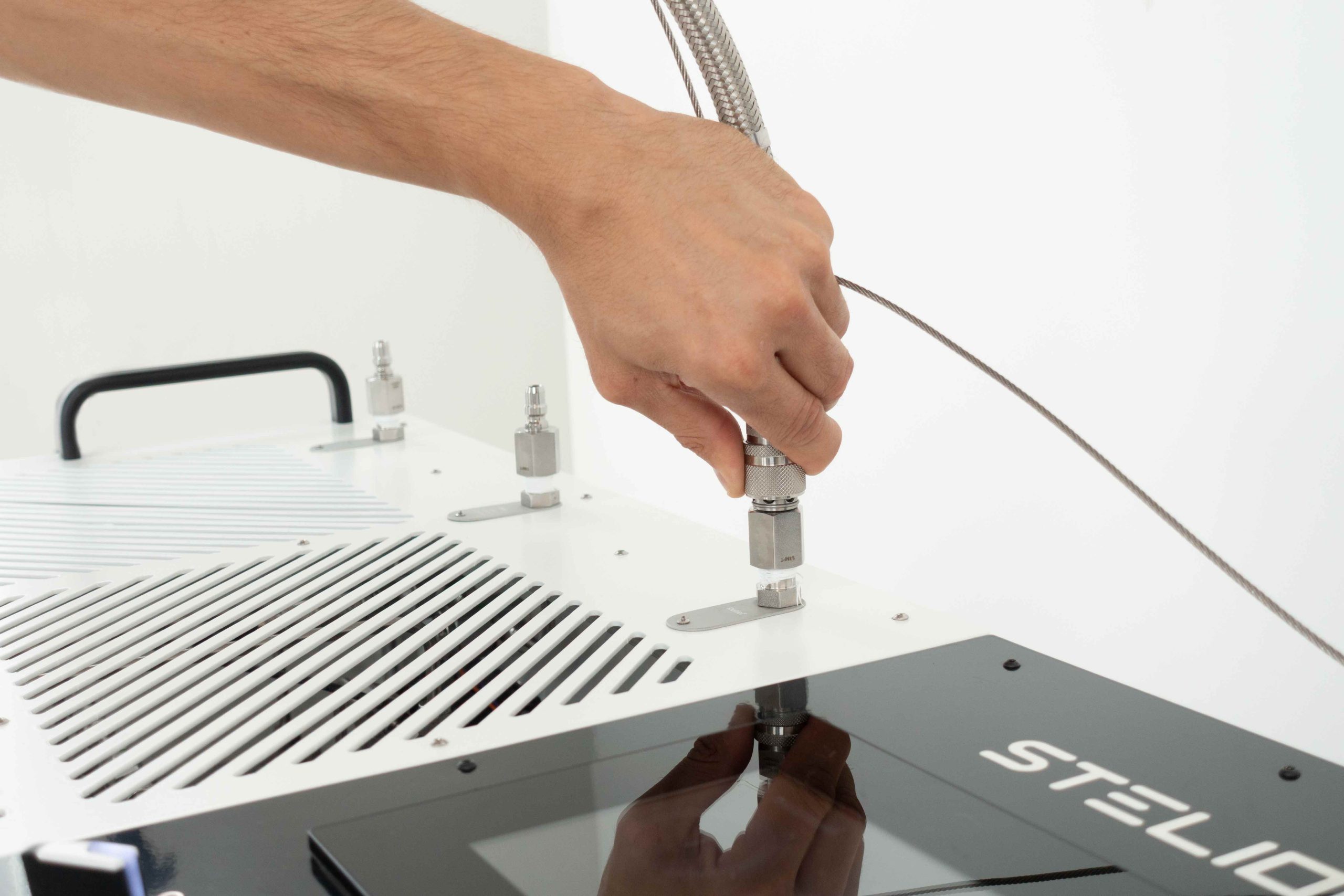
In these cases, a cooling unit can be installed downstream of the compressor. STELION Gas Cooler, developed by Hydros Power, uses Peltier thermoelectric technology and can be integrated with STELION Booster Station and other compatible systems.
The need for cooling must be assessed according to flow rate, required temperatures and operating conditions, rather than simply because a booster is being used.
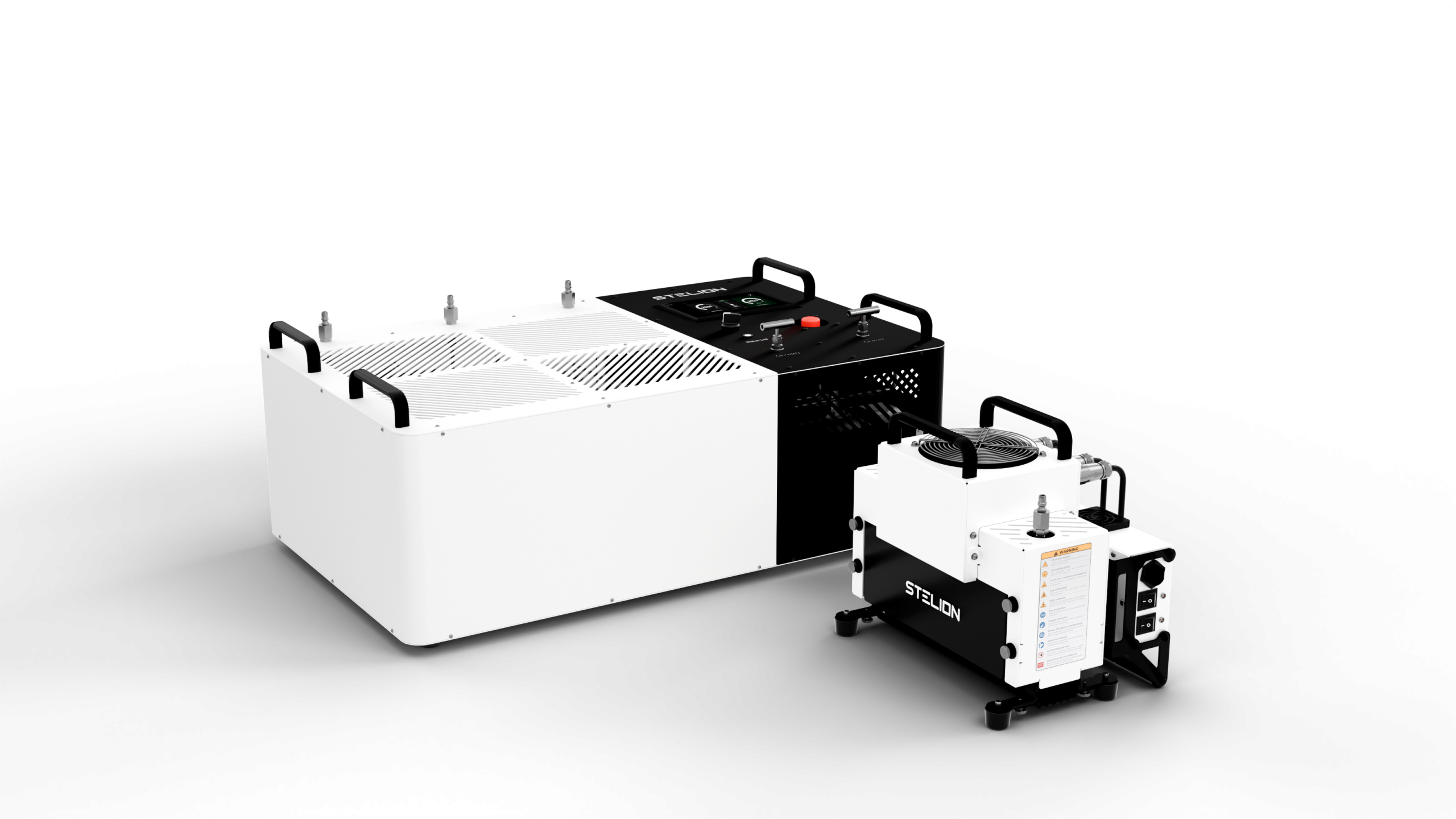
STELION Booster Station for hydrogen cylinder filling
For cylinder filling applications requiring additional compression, electrically driven gas boosters offer an alternative to equipment powered by compressed air.
Electric drive eliminates the need for a separate pneumatic supply and can simplify integration into installations without compressed-air infrastructure.
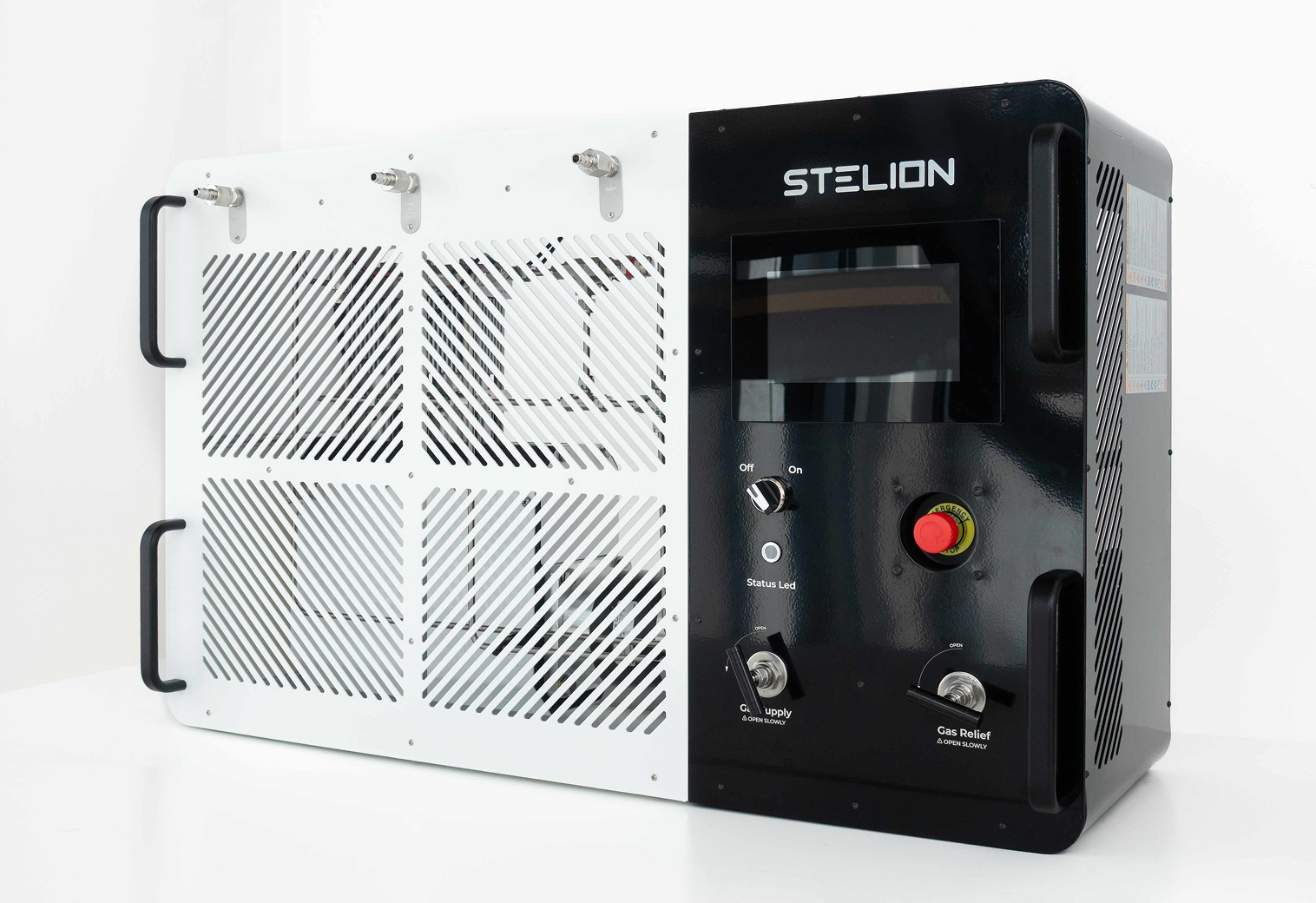
STELION Booster Station, developed by Hydros Power, is a family of compact electric gas compression systems for hydrogen and other compatible gases, designed for industrial applications, laboratories, testing environments and decentralised operations.
The range includes different configurations to accommodate varying inlet and outlet pressures, flow rates and operating conditions. This flexibility allows different compression applications to be addressed, with the equipment configuration selected according to the requirements of each installation.
Potential applications include hydrogen supply in laboratories, industrial cylinder filling and decentralised operations using pressurised hydrogen cylinders.
Cylinder-based hydrogen supply is also relevant to certain hydrogen-powered drone and UAV refuelling applications, although the requirements for filling removable cylinders and directly refuelling a vehicle or aircraft must be assessed separately.
How to choose a hydrogen cylinder filling solution
The decision depends on the minimum and maximum supply pressures, the receiving cylinder’s volume and authorised filling pressure, the required flow rate, target filling time and filling frequency. Connections, electrical supply, safety systems and any additional cooling requirements must also be considered.
These parameters help determine whether direct transfer is sufficient, cascade storage is appropriate or additional compression is required.
If you are designing a hydrogen cylinder filling installation, explore the technical specifications of STELION Booster Station or contact the Hydros Power team to discuss your project’s pressure, flow rate and system integration requirements.
Recent articles

Press contact
For press inquiries or additional information about Hydros Power and its hydrogen solutions, you can contact the team at:
Guillermo Megías Collado
guillermo.megias@hydros-pwr.com
+34 865 642 254